
What is the Circle of Security?
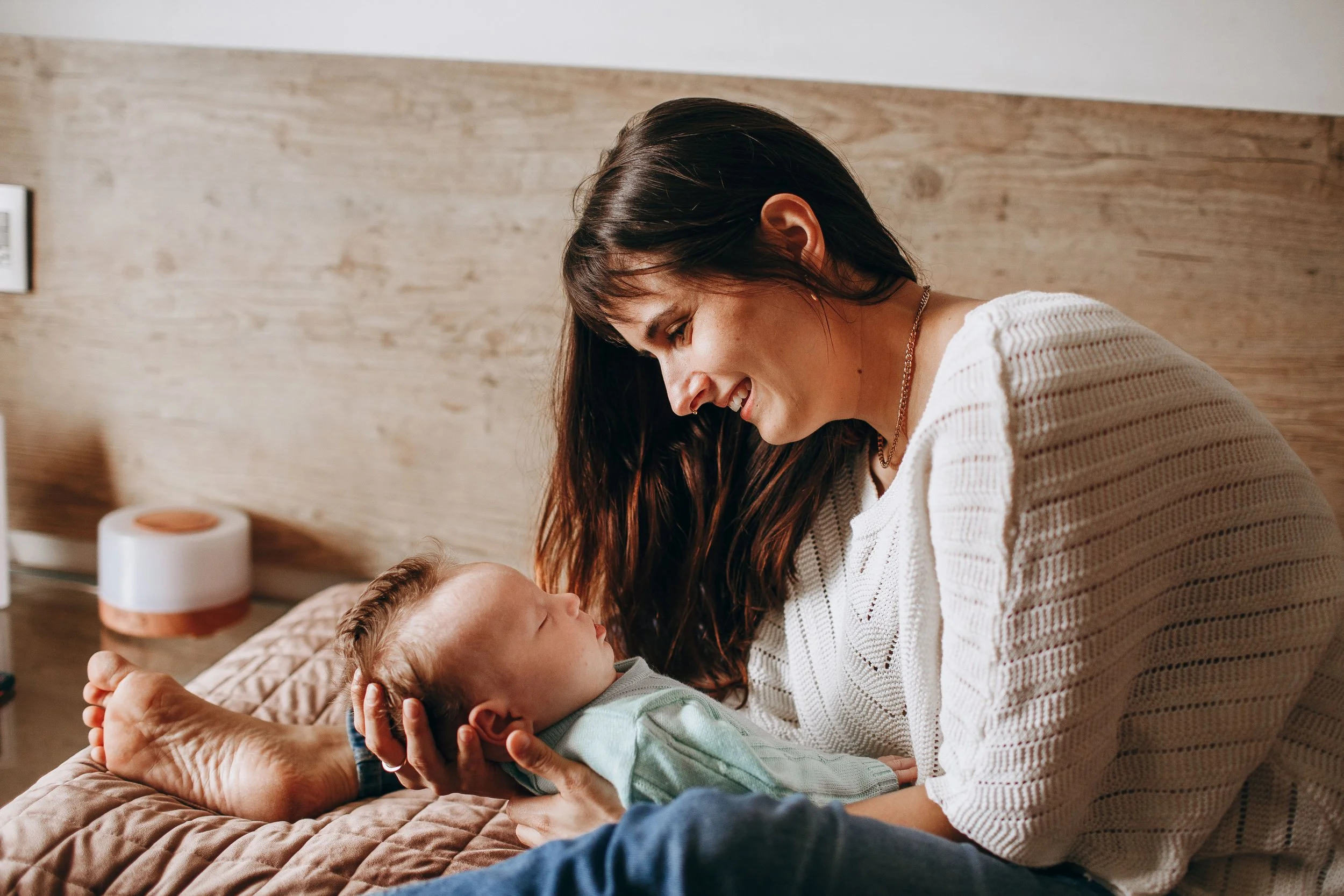
The Circle of Security program is a parenting tool that helps parents to understand their child’s needs. The Circle itself is a visual concept which helps to explain that children are constantly in flux, alternating between exploring the world (’going out of the circle’) and seeking comfort (‘coming back in to the circle’). There is a third component of the circle which illustrates that parents are in charge (‘hands on the circle’).
The role of the parent in terms of the visual Circle concept is to watch and encourage exploration and let their children know it is safe to explore (‘going out’), provide emotional safety by comforting and helping their children to calm their feelings (‘coming in’) and to provide loving boundaries and keep their children safe by being ‘strong, wise and kind’ (‘hands on the circle’).
The big shift for a lot of parents with the Circle of Security parenting tool is that it allows parents to see behaviour as a communication clue instead of seeing things through the lens of the child being ‘naughty’ or ‘misbehaving’. This mindset shift enables a more loving and effective response which more relevantly addresses the child’s needs in the moment. Long term, many parents see an overarching strengthening in their relationship bond and sense of connection with their child. This strong parent-child bond sets children up well for more secure attachments in relationships with others in the future.
Circle of Security runs 8-week courses for parents with young children to learn how to more confidently identify and respond to their child’s needs and to learn how to build a healthy and close connection with their child. At Discern Psychology, I have completed training as a Circle of Security group facilitator to run these 8-week courses and I regularly apply Circle of Security concepts in my practice working one-to-one with parents.
Below is a short video from the Circle of Security organisation which explains the Circle in more detail.